Two sterile surgical gloves come in the same size but carry different prices. What are you paying for? Start with how the gloves will be used. If the surgical team needs good tactile feedback when handling fine instruments, focus the trial on fingertip fit and grip. If the team plans to double glove, trial the actual inner and outer gloves together and compare the cost per set. Reviewing the samples, specifications and quotations side by side makes it easier to decide whether the price difference is worth paying.
Compare Like-for-Like Models and Prices
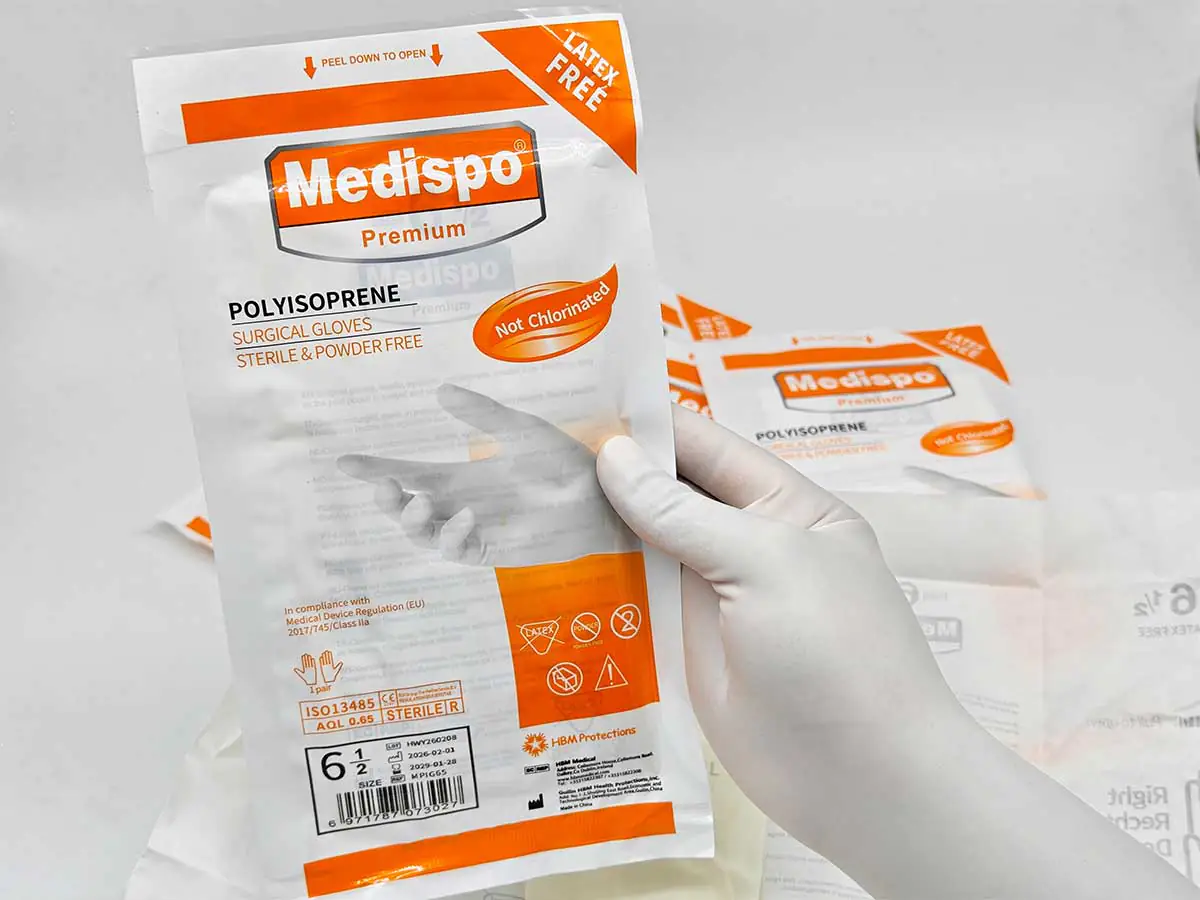
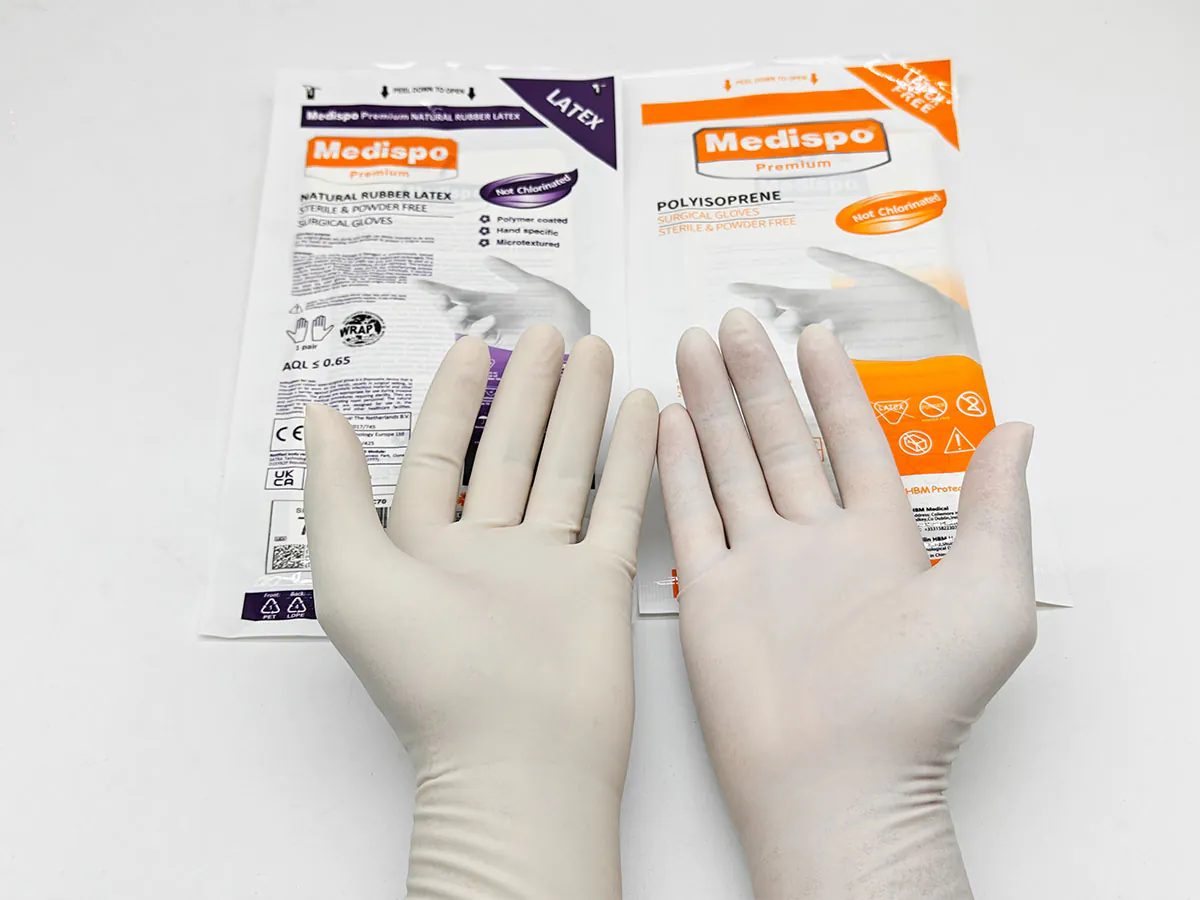
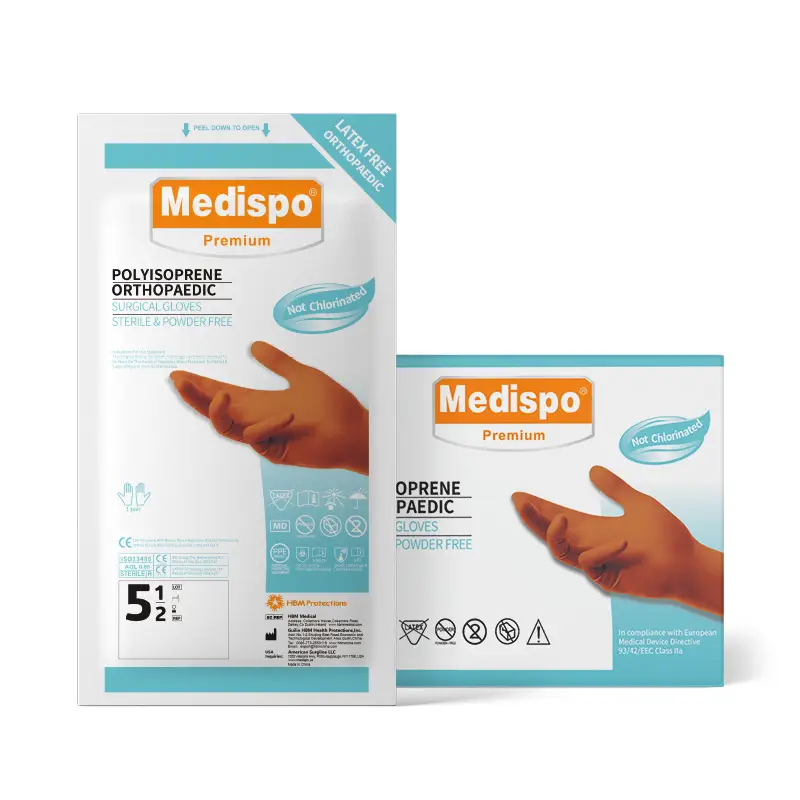
Orthopaedic describes a glove’s intended use, polyisoprene (PI) identifies the material, and double gloving describes how the gloves are worn. Medispo® Orthopaedic PI surgical gloves are an example of a polyisoprene glove designed for orthopaedic use. When you receive a quotation, confirm the exact model, material, size and pack quantity, then check the sterilization method and shelf life.
Compare single-layer gloves by price per pair. For double gloving, include both layers in the cost per set and record the model and size of each layer. If you are buying for inventory, confirm how much shelf life will remain at delivery.
What to Look for in a Wear Trial
When comparing standard and orthopaedic gloves, check fingertip and palm thickness, then try gripping the instruments your team uses. Look up the nominal thickness at both points in the product specifications. Ask intended users to try samples in the same size and perform familiar movements, such as gripping, rotating and releasing an instrument. Record how secure the grip feels, how much tactile feedback users get through the fingertips and how easily they can flex their fingers. If puncture resistance is a procurement requirement, check the test method and results for the exact model.
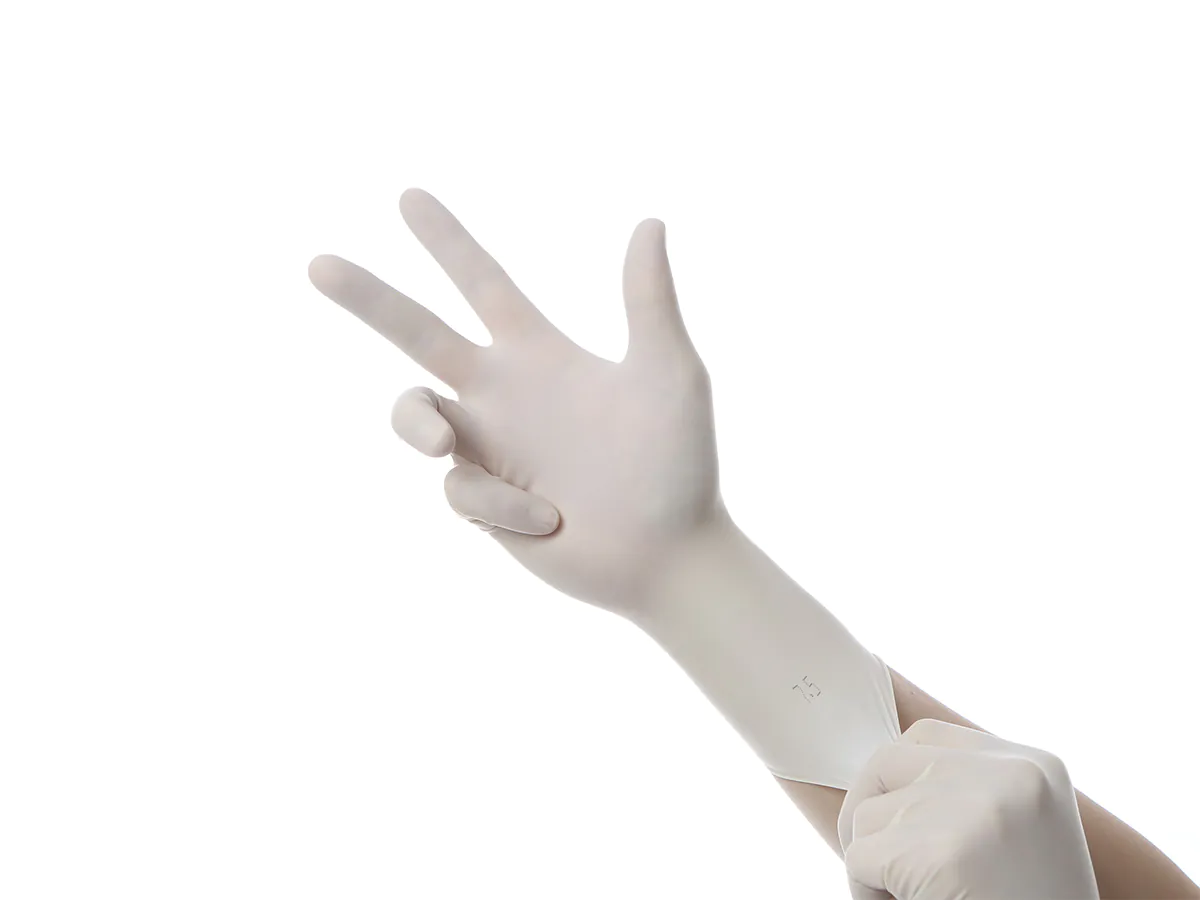
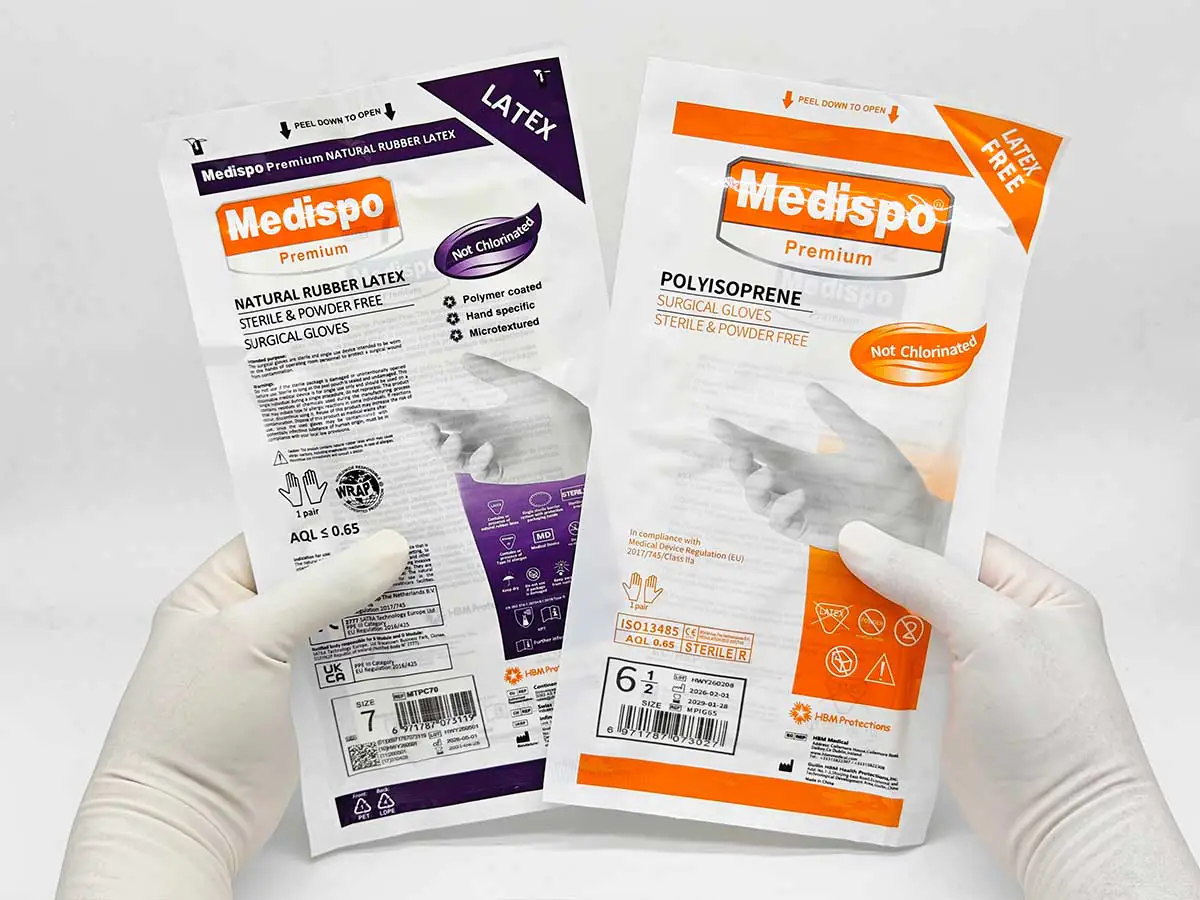
When comparing natural rubber latex and PI gloves, start with the same marked size. Check for excess room at the fingertips, fit around the base of the thumb, bunching across the palm and ease of donning and removal. For example, two size 7 samples might both fit well across the palm, while one leaves more room at the fingertips. Try a familiar fine-handled instrument to see whether that extra room affects handling. Recording the specific movement and where the fit differs makes the feedback easier to compare later.
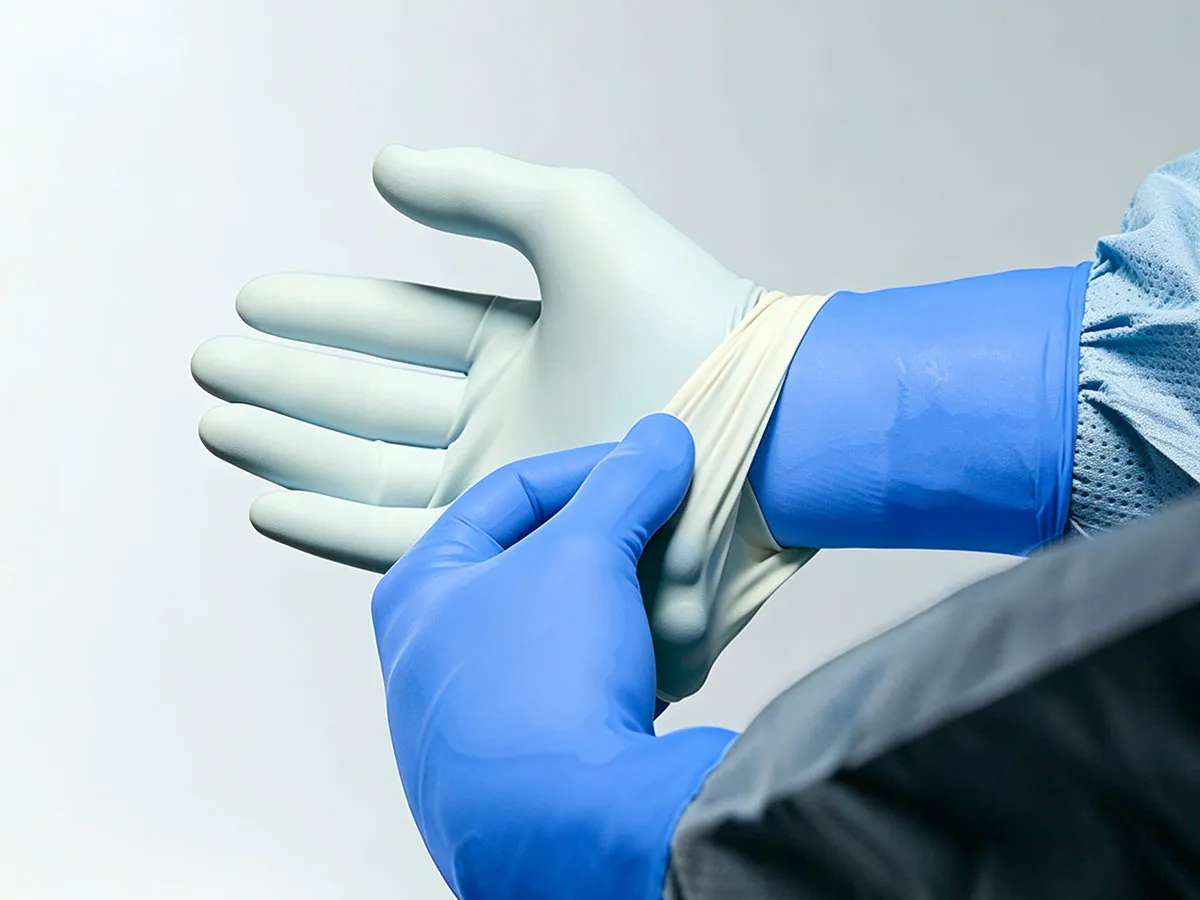
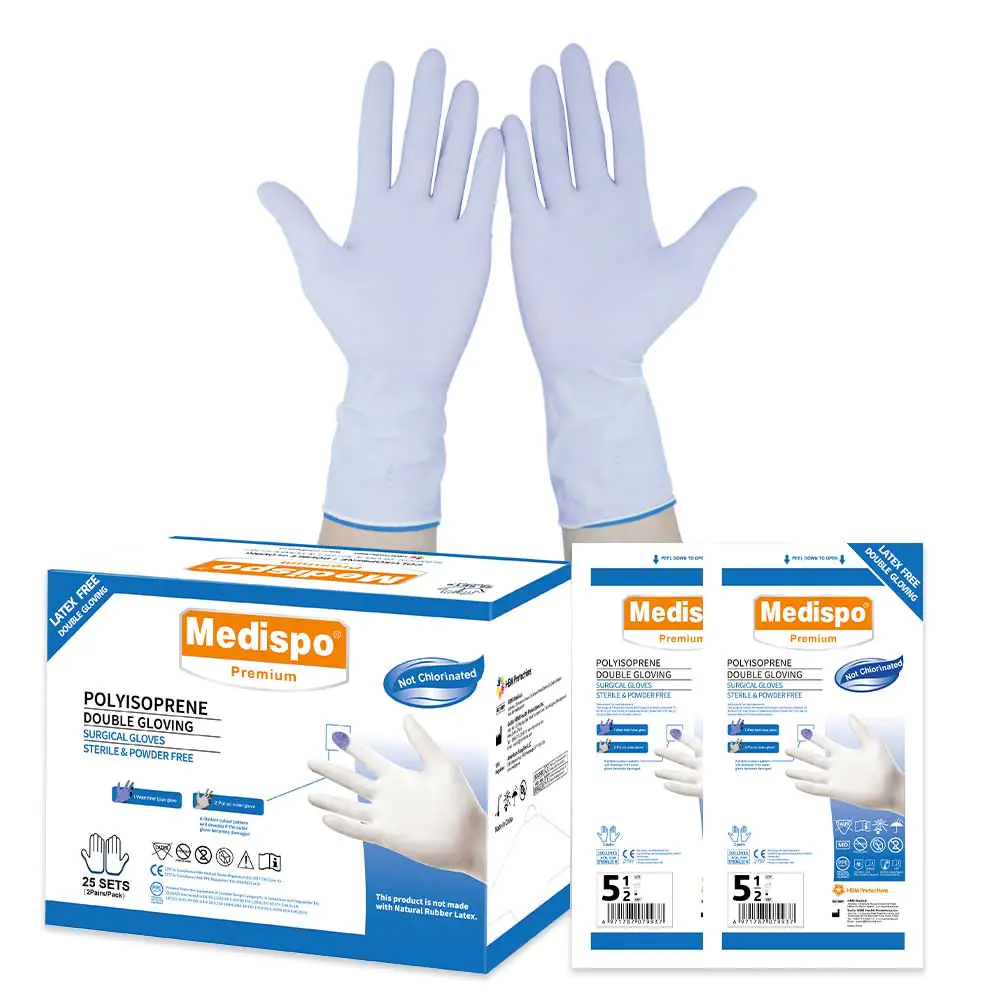
For double gloving, trial the exact inner and outer combination you plan to buy. Medispo® offers double-gloving options in both natural rubber latex and PI. With both layers on, check finger movement, cuff fit and tactile feedback when gripping instruments. If you are considering a two-colour system, ask the supplier to demonstrate the visual indication of an outer-glove perforation and check how easy it is to see under the lighting conditions where the gloves will be used.
Match Registration and Test Documents to the Sample
Start with the exact model reference on the sample packaging. Check that the registration certificate and its annexes cover the model and size, then review the applicable product technical requirements. On the test report, verify the sample identification, test item, method and result. If the quotation uses a commercial model name and the registration documents use a different reference, ask the supplier to show how the two correspond.
If your procurement requirements include protein residue, check the documentation for aqueous extractable protein. When evaluating Medispo® PI surgical gloves, ask HBM Protections what documentation is available for the model you are considering. Check which model was tested, the test method, the result and its unit of measurement. For latex allergy considerations, also review the glove material, labelling and instructions for use.
Use a Comparison Table to Assess the Price Difference
| Comparison point | What to record |
|---|---|
| Intended use | Department or procedure, and whether single or double gloving is planned |
| Model and specifications | Exact model, material, size, and nominal fingertip and palm thickness |
| Wear trial feedback | Fingertip room, palm fit, instrument grip, and ease of donning and removal |
| Specific performance requirements | Puncture resistance results if required, or findings from the double-gloving trial and perforation indicator demonstration |
| Sterilization and packaging | Sterilization method, shelf life, pairs per pack, and minimum remaining shelf life at delivery |
| Supporting documents | Models covered by the registration documents, applicable product technical requirements and test reports |
| Price | Price per pair or per set, with the inner and outer glove configuration specified for double gloving |
If both models meet your requirements and perform similarly in the wear trial, price can be the deciding factor. If one offers a better grip, a closer fit or a double-gloving combination that works better for your team, weigh that difference against the additional cost.

Explore Medispo® Surgical Gloves from HBM Protections
HBM Protections manufactures Medispo® surgical gloves at its facility in Guilin, China. The range includes natural rubber latex, polyisoprene and neoprene models, with options for routine use, orthopaedic procedures and double gloving. Browse the full range of Medispo® surgical gloves to shortlist models for your wear trial.
For sample requests or bulk sourcing, contact HBM Protections with your intended use, preferred sizes and destination market. If you have shortlisted any models, include their names or codes so the team can confirm sample availability and which product documents are available for each model.