
When choosing gloves for image-guided procedures, buyers need to consider both radiation attenuation and how the gloves feel during instrument handling. Fingertip fit, flexibility and grip all matter when working with guidewires, catheters and other instruments.
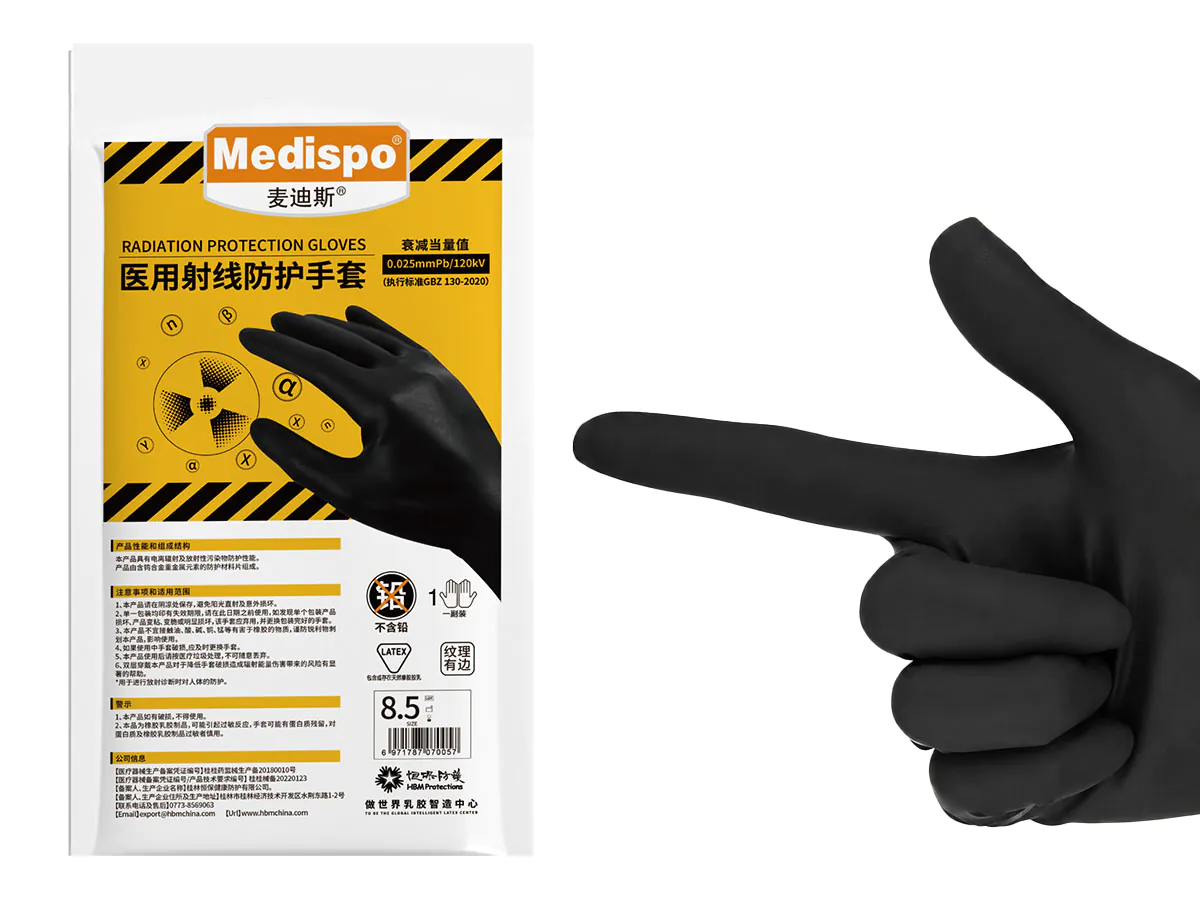
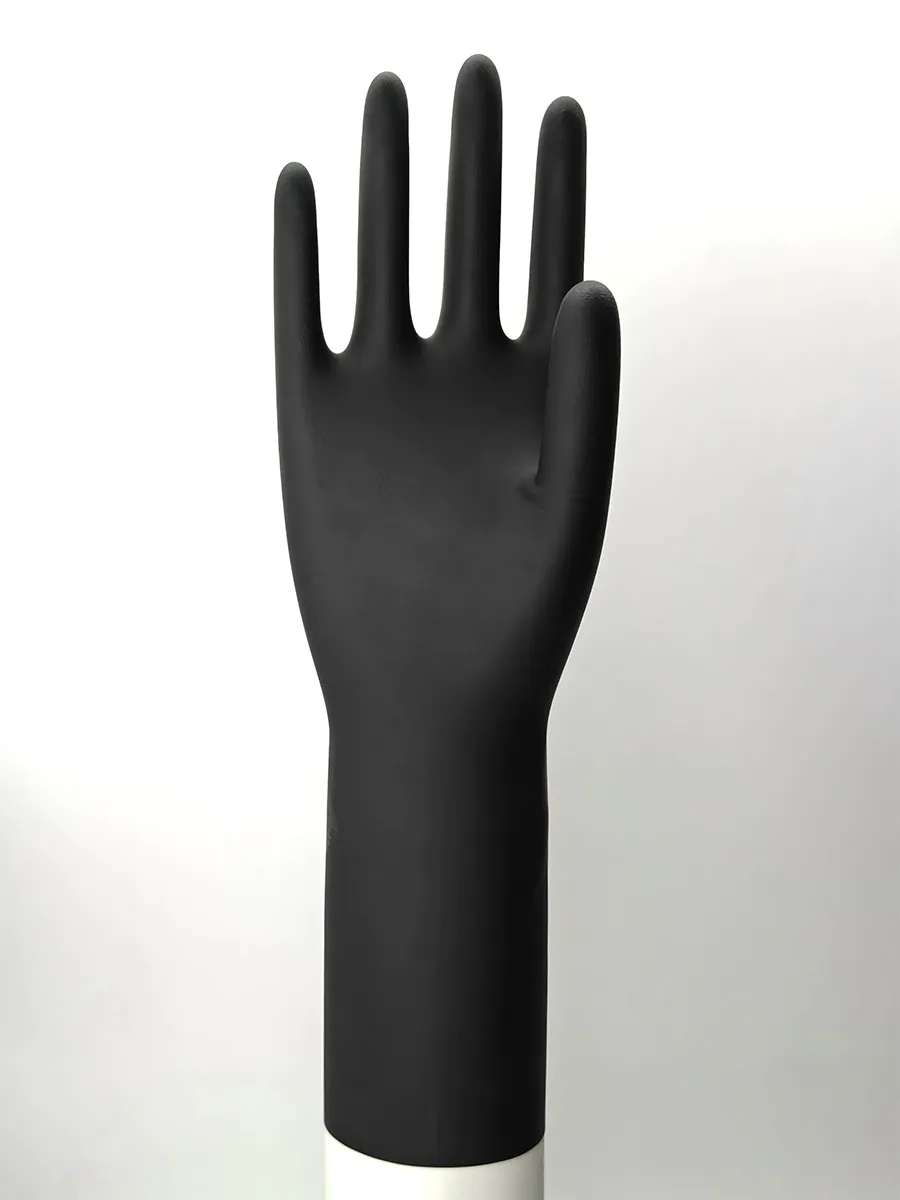
Medispo medical radiation protection gloves combine natural rubber latex with lead-free shielding materials. They have a curved, powder-free design with textured fingertips to support grip and handling.
Hospital procurement teams and medical device distributors can start by identifying the intended application, then reviewing the product instructions, performance documentation and samples for the specific glove under consideration.
What Are Medical Radiation Protection Gloves?
Medical radiation protection gloves incorporate materials that attenuate X-rays. In relevant diagnostic and interventional settings, they can form part of a broader radiation protection programme. The intended use and limitations should be checked against the instructions for the specific product.
When comparing these gloves with conventional surgical gloves, buyers should review radiation attenuation documentation alongside material, size and handling characteristics. A glove’s appearance alone does not indicate how much radiation it attenuates.
Medical radiation protection gloves also differ from long-arm glovebox gloves used in the nuclear industry. The two product types serve different purposes and should be evaluated against their respective requirements.
Natural Rubber Latex and Lead-Free Shielding Materials
Medispo medical radiation protection gloves use natural rubber latex combined with lead-free shielding materials. The latex base provides softness and elasticity, while the shielding materials contribute to X-ray attenuation.
The term lead-free refers to the shielding formulation. The gloves contain natural rubber latex. If a patient or healthcare worker has a known latex allergy, check the product labelling and follow the facility’s latex allergy procedures.
Softness, Fit and Freedom of Movement
The curved, powder-free design follows the natural shape of the hand. The natural rubber latex base gives the gloves a soft, flexible feel and helps with donning.
For tasks that require precise finger movements, evaluate how the glove fits at the fingertips and how easily the wearer can bend and move their fingers. A sample evaluation can help buyers assess donning, removal and instrument handling before selecting a product.
Fingertip Texture and Grip in Dry and Wet Conditions
The gloves have a textured surface with fingertip texturing designed to support grip in dry and wet conditions. When evaluating samples, use the instruments relevant to the intended application and follow the conditions described in the product instructions.
| Evaluation area | What to check |
|---|---|
| Fingertip fit | Check for excess material at the fingertips and see how the glove fits when the fingers bend. |
| Finger movement | Assess how easily the wearer can bend, extend and coordinate their fingers. |
| Instrument grip | Check grip stability when handling relevant instruments under dry and wet conditions permitted by the product instructions. |
| Overall fit | Confirm that the size and fit allow the wearer to perform the intended tasks comfortably. |
Grip on wet instruments and ease of donning with wet hands are separate considerations. Follow the instructions supplied with the selected glove for donning and use.
How Should Buyers Select Radiation Protection Gloves?
Start with the intended procedure, radiation conditions, instrument handling needs and the facility’s radiation protection requirements. Then review the attenuation documentation for the specific glove. If a tender calls for a particular level of attenuation, share the requirement and any specified test conditions with the sales team so they can identify the relevant documentation.
Radiation protection gloves are one part of an overall protection programme. Continue to follow proper technique, use appropriate shielding and follow the facility’s dose management procedures. Keep hands out of the primary X-ray beam, even when wearing protective gloves. As the joint guideline on occupational radiation protection in interventional radiology explains, placing a gloved hand in the beam can cause equipment with automatic dose control to increase its output, potentially increasing radiation exposure to both the operator and the patient.
What Information Should Buyers Provide?
A purchasing brief helps the sales team identify available products and documentation that match the buyer’s needs. Hospital procurement teams and distributors can prepare the following information before making an enquiry.
| Purchasing information | Details to provide |
|---|---|
| Intended application | The diagnostic or interventional procedures for which the gloves are being considered |
| Destination market | The country or region where the gloves will be used or sold |
| Product requirements | Preferred sizes, packaging and any other requirements |
| Performance requirements | Radiation protection criteria, specified test conditions or tender requirements |
| Documentation requirements | Product instructions, test documentation or market access documents needed for review |
| Purchasing arrangements | Estimated quantities and any sample evaluation requirements |
Confirm model, dimensions, thickness, attenuation performance, sterilisation status and packaging against the documentation for the specific product. If thickness, softness or packaging is a priority, explain the intended use to the sales team so they can assess the available options.
Contact HBM Protections About Medispo Products
Medispo medical radiation protection gloves combine a natural rubber latex base with lead-free shielding materials and textured fingertips. Buyers can evaluate these features alongside the fit, handling and radiation attenuation requirements of their intended application.
To discuss available products, request specifications or performance documentation, or enquire about samples, contact HBM Protections. Include your destination market and intended application so the sales team can identify the relevant product information.