If you are a procurement manager, hospital buyer, or distributor, most RFQs you see today specify nitrile. It is the industry default — familiar, widely available, and cost-effective. So when a supplier offers polyisoprene (PI) instead, the first question is almost always: “Why not nitrile?”
The short answer: for routine examinations, nitrile is a perfectly reasonable choice. But for long, high-precision procedures, PI gives you something nitrile cannot — natural-latex-like elasticity and tactile feedback, without the natural latex protein.
This guide compares the two materials honestly, so you can decide which glove belongs in which part of your inventory.
What Is Polyisoprene (PI)?
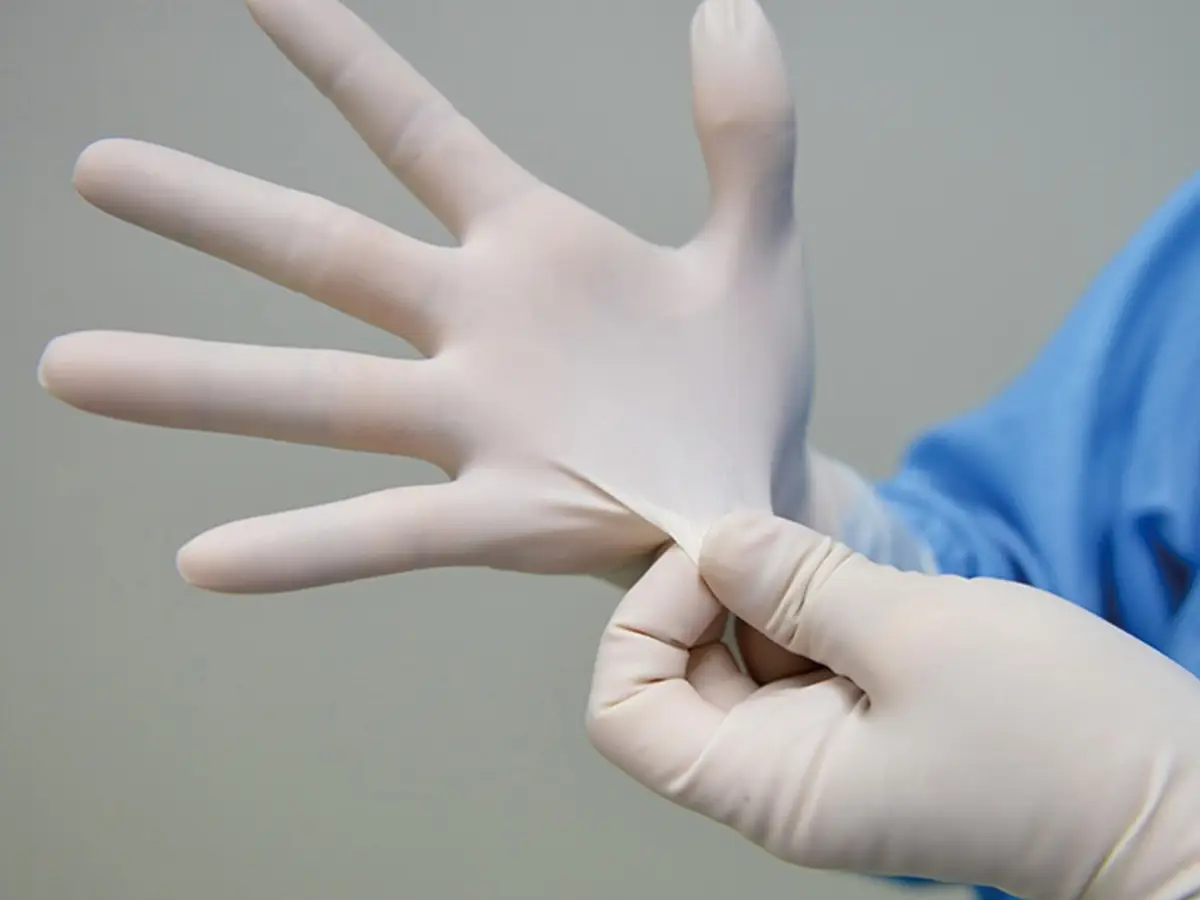
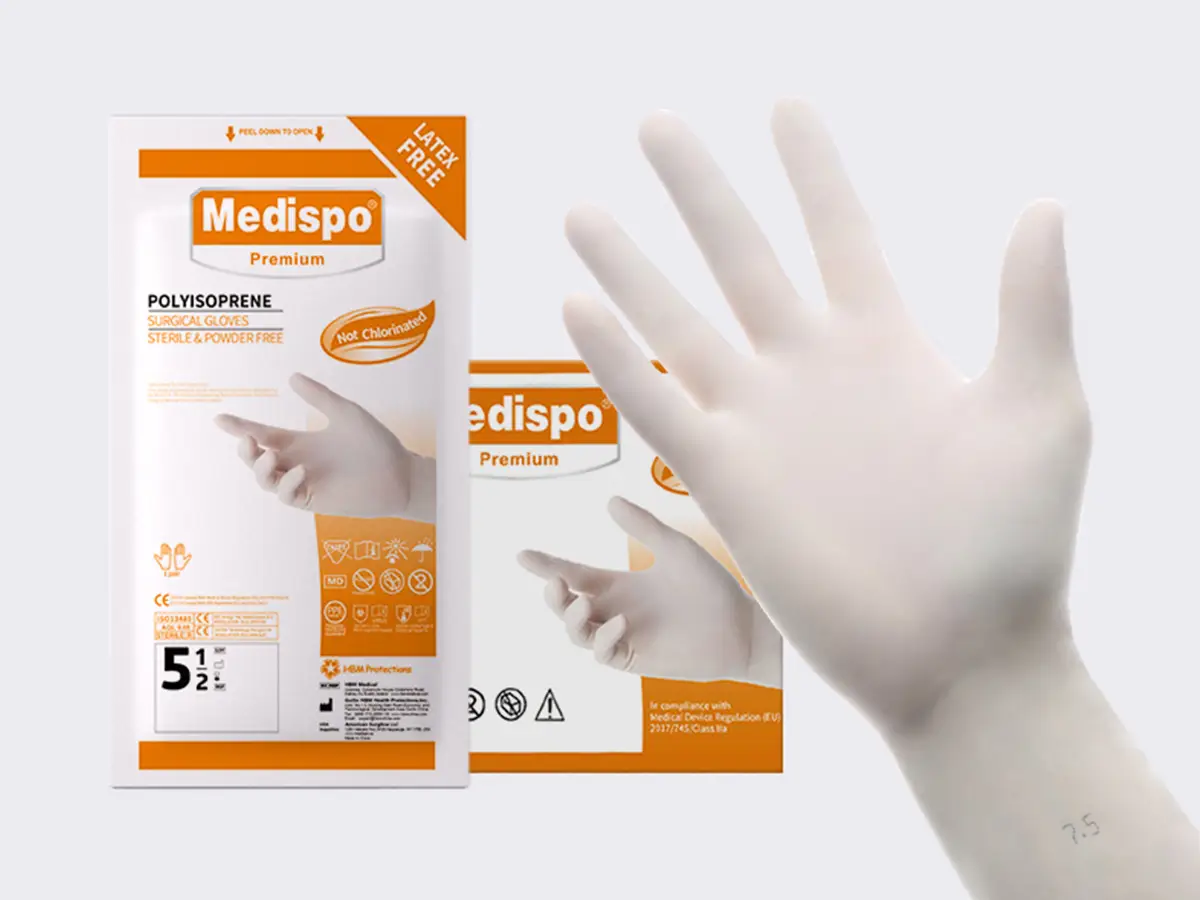
Polyisoprene is a synthetic rubber whose molecular structure closely mirrors natural latex. That means it recreates the two things surgeons value most in a glove — elasticity and fit — while eliminating the natural latex proteins that can trigger Type I latex allergy.
Because PI is a synthetic material, it does not contain the allergenic proteins found in natural rubber latex.
What Is Nitrile?
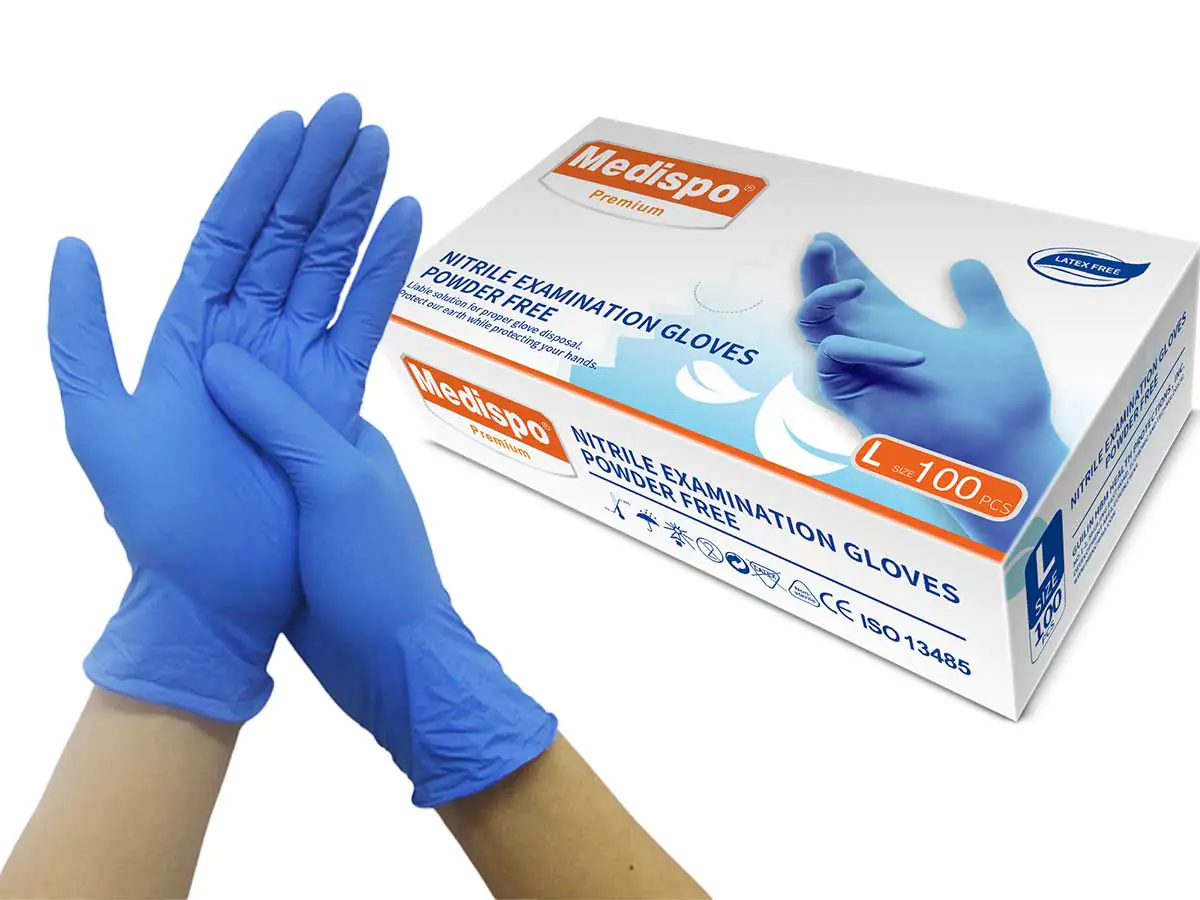
Nitrile is a synthetic copolymer (acrylonitrile-butadiene). It is strong, puncture-resistant, and chemical-tolerant, and it contains no latex proteins. It has become the workhorse of exam and surgical glove supply, in large part because it is economical and available from many manufacturers.
Head-to-Head: PI vs Nitrile at a Glance
Property | Polyisoprene (PI) | Nitrile |
|---|---|---|
Latex protein / Type I allergy risk | No natural latex protein — very low allergy risk | No latex protein — low allergy risk |
Elasticity & recovery | High — close to natural latex | Moderate — firmer feel |
Tactile sensitivity / fit | High — conforms to the hand | Lower — looser, stiffer |
Hand fatigue over long surgery | Lower — less force to move fingers | Higher — stiffness builds up |
Tensile strength | Meets surgical standard (see below) | High |
Puncture / chemical resistance | Good | Excellent |
Typical cost | Higher | Lower |
Best fit | Long, precision, micro procedures | Routine exams, ER, high-abrasion tasks |
Material characteristics above are general industry knowledge; Medispo’s specific tested performance is detailed below.
Why PI Wins for Long, Precision Procedures
The advantages of PI show up most clearly in procedures that last 2–4 hours or more:
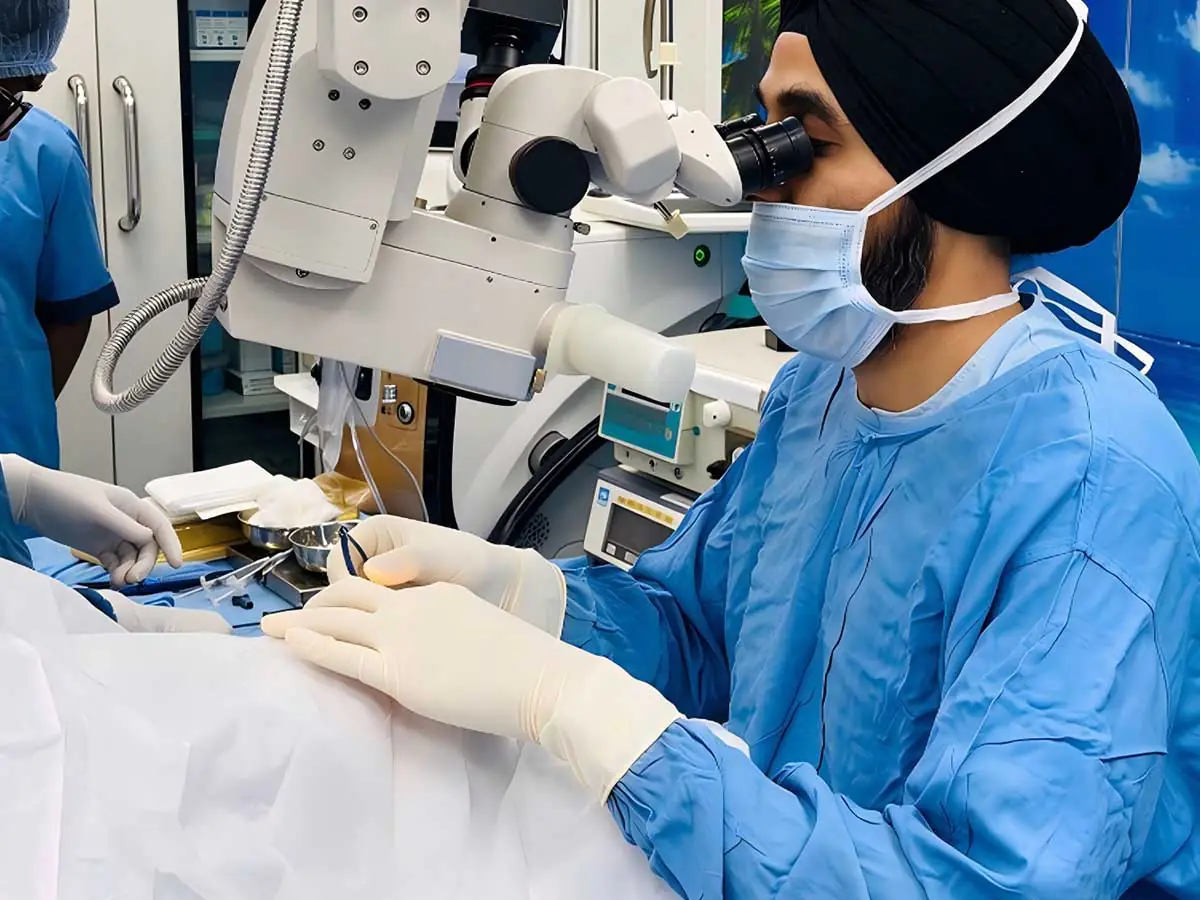
- Microsurgery, ophthalmic and neurosurgery demand fine tactile feedback. PI’s close fit and sensitivity give the surgeon a more natural “second skin” feel.
- Orthopaedic and complex reconstructive surgery need freedom of finger movement over long periods. PI’s elasticity means less energy is spent flexing the hand, which translates to less hand fatigue.
- Double gloving — PI’s smooth surface and conformability make outer-glove donning and layering more comfortable.
The clinical takeaway: PI is chosen not because nitrile is “bad,” but because elasticity, fit, and fatigue become the deciding factors the longer and more precise the procedure gets.
When Nitrile Is Still the Right Choice
To stay credible, let’s be clear about where nitrile genuinely wins:
- Routine exams and ER triage where glove-on, glove-off speed matters more than micro-precision.
- High-abrasion or chemical-exposure tasks where nitrile’s puncture and chemical resistance are decisive.
- Cost-sensitive bulk procurement — nitrile is cheaper and more available.
PI is a segmentation tool, not a replacement. The strongest product strategy is to carry both: nitrile for the volume exam segment, PI for the premium surgical segment.
The Medispo PI Difference
Medispo is one of the few manufacturers in China specialized in polyisoprene surgical gloves — with its own FDA 510(k) clearance and CE MDR certification for the Medispo PI glove line. The PI range also holds ISO 13485 quality certification and EN 455 compliance.
Our PI gloves are independently tested against recognized standards:
- Blood-barrier performance — tested for resistance to penetration by synthetic blood (ASTM F1670), pass.
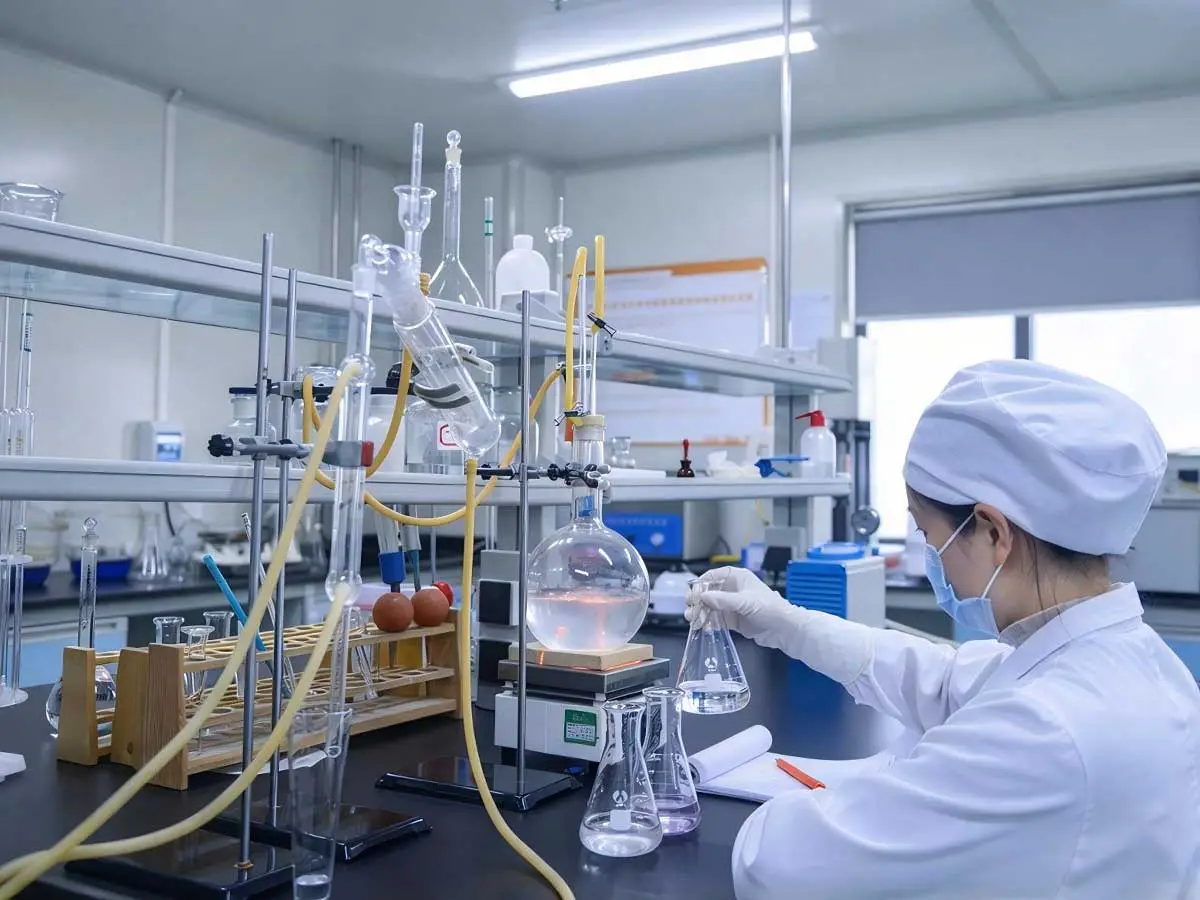
- Blood compatibility — evaluated under ISO 10993-4 for in-vitro hemolysis, with a non-hemolytic result, supporting biocompatibility for surgical use.
- Mechanical performance (ASTM D3577, sterile powder-free surgical gloves):
- Tensile strength 23 MPa before and 22 MPa after accelerated aging (requirement ≥17 / ≥12)
- Ultimate elongation 778% before and 767% after aging (requirement ≥650 / ≥490)
- Powder residue 0.17 mg per glove (limit ≤2.0 mg)
- Aqueous extractable protein 0.62 µg/dm² (limit ≤200 µg/dm²) — among the lowest, supporting use for healthcare workers with natural-latex protein sensitivity
That protein number matters: PI keeps nitrile’s “no latex protein” benefit while adding nitrile’s missing elasticity and comfort.
Detailed test reports (ASTM F1670, ISO 10993-4, ASTM D3577) are available from our sales team on request.
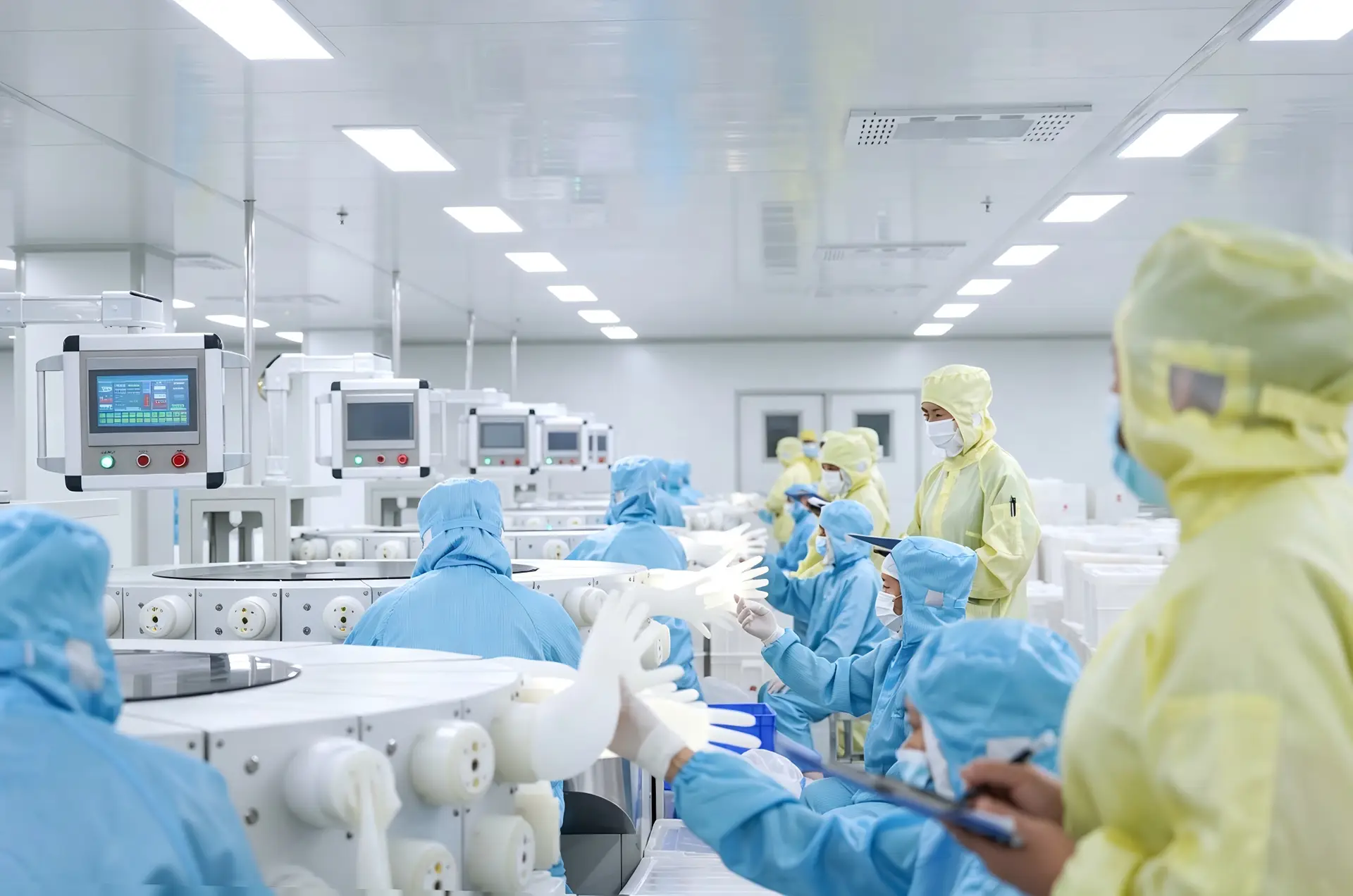
The Medispo PI surgical-glove family covers Standard PI, Sensitive, Orthopaedic, Double Gloving, and Underglove configurations — produced in a Class 100,000 (ISO 8) clean packaging workshop, backed by 60+ patents and an annual capacity of over 500 million pairs.